


Finding affordable quotes for renters insurance can be easier when you know what actually affects the price. Renters insurance is designed to protect your personal belongings, provide liability coverage, and help with certain additional living expenses after a covered loss. It generally does not insure the physical building itself because that responsibility belongs to the property owner.
The price can vary from one renter to another. Your location, coverage limits, deductible, claims history, building characteristics, and selected insurer can all influence your premium.
For many renters, the biggest mistake is comparing policies based only on the monthly price. A cheaper policy may have lower limits, a higher deductible, or less suitable coverage for valuable belongings.
This guide explains how to compare quotes for renters insurance, what information you need before requesting a quote, which coverage options deserve attention, and how to avoid paying for protection you do not need.
Quick Facts About Renters Insurance
| Detail | Information |
| Insurance type | Renters or tenants insurance |
| Main purpose | Protect personal property and provide liability protection |
| Typical coverage | Personal property, personal liability, loss of use |
| Common liability limit | $100,000 or more |
| Common deductible | $500 to $1,000 |
| Common personal property limit | $20,000 to $50,000 |
| Price | Varies by location, coverage, insurer, and personal factors |
| Building coverage | Generally the landlord’s responsibility |
| Best comparison method | Compare similar coverage from multiple insurers |
1. Know What Renters Insurance Actually Covers
Before requesting quotes for renters insurance, understand the basic protection included in a policy.
Personal property coverage is usually the central part. It can help pay for covered losses involving belongings such as furniture, clothing, electronics, kitchen equipment, and other personal items.
The exact causes of loss depend on the policy. Theft, fire, vandalism, and certain types of water-related damage may be covered, but exclusions and conditions vary.
Personal Property Coverage
Start by estimating how much it would cost to replace your belongings.
A renter may own much more than they initially realize. A laptop, television, smartphone, furniture, clothing, kitchen appliances, gaming equipment, and other possessions can quickly add up.
Create a basic home inventory before selecting your coverage limit. Keep receipts, photographs, serial numbers, or other records for expensive items when possible.
Do not automatically choose the lowest available limit just because it produces a cheaper premium.
Liability Coverage
Liability protection can help if you are legally responsible for injury to another person or damage to someone else’s property, subject to the policy terms.
For example, a guest could be injured inside your rental, or you could accidentally cause damage to another unit.
Liability limits vary by policy. Many renters start with $100,000, while higher limits may be available depending on the insurer and the renter’s circumstances.
2. Compare Similar Coverage Instead of Just Prices
One of the most important rules when comparing quotes for renters insurance is to make sure you are comparing similar policies.
A quote for $15 per month cannot be fairly compared with a $25 quote if the policies have completely different coverage limits and deductibles.
Write down the major numbers from each quote.
Compare:
- Personal property limit
- Liability limit
- Deductible
- Replacement cost or actual cash value
- Loss-of-use coverage
- Additional endorsements
- Major exclusions
- Available discounts
This makes the comparison much more useful.
3. Estimate Your Personal Property Before Getting a Quote
Your belongings have a major effect on how much coverage you may need.
Instead of guessing, walk through your rental room by room.
Build a Simple Home Inventory
Start with the living room, bedroom, kitchen, bathroom, office, garage, storage area, and any other space you use.
List major possessions and estimate current replacement costs.
For example, you might include:
- Furniture
- Clothing
- Computers
- Phones
- Televisions
- Kitchen appliances
- Musical instruments
- Sporting equipment
- Jewelry
- Bicycles
- Tools
- Home office equipment
Do not focus only on expensive items. Hundreds of smaller possessions can create a surprisingly large total.
Some insurers offer replacement cost coverage, while others may base certain claims on actual cash value unless you select additional protection. Replacement cost generally considers the cost of replacing an item, while actual cash value accounts for depreciation.
4. Choose a Deductible You Can Actually Afford
Your deductible is the amount you generally pay out of pocket before insurance contributes to a covered claim.
A higher deductible can reduce your premium, while a lower deductible may increase the price.
Balance Premium and Out-of-Pocket Costs
Suppose one policy has a $500 deductible and another has a $1,000 deductible.
The second option may have a lower premium, but you would need to handle a larger portion of a covered loss yourself.
The right choice depends on your budget and risk tolerance.
A deductible should not be selected solely because it produces the lowest monthly payment. If you could not comfortably pay it after an unexpected loss, the savings may not be worth the trade-off.
5. Check How Much Renters Insurance Costs in Your Area
National averages can provide a useful starting point, but they do not tell you exactly what you will pay.
Recent estimates vary depending on the coverage assumptions used. A common sample policy can cost around $13 to $20 per month, but your actual rate may be higher or lower depending on your location and coverage choices.
That difference is important.
A policy with $20,000 of personal property coverage will not necessarily cost the same as one with $50,000 or $100,000.
Why Location Matters
Insurance companies consider risks associated with the location of the rental.
Factors can include local theft rates, weather exposure, claims patterns, building characteristics, and other geographic considerations.
Two renters living in different cities can therefore receive very different premiums even if they have similar belongings.
6. Ask About Discounts
Discounts can make quotes for renters insurance more competitive.
The discounts available depend on the insurance company and your circumstances.
Potential discounts may include:
- Bundling renters and auto insurance
- Installing security devices
- Having protective devices such as smoke alarms
- Maintaining continuous insurance coverage
- Paying the premium in full
- Maintaining a claims-free history
Bundling can be particularly useful for renters who already have an auto policy.
However, do not assume bundling is automatically cheaper. Compare the total cost of both policies before making a decision.
A lower renters premium does not necessarily mean lower overall insurance costs if the auto policy becomes more expensive.
7. Check Whether Your Landlord Requires Insurance
Some landlords require tenants to maintain renters insurance as part of the lease.
If your lease includes this requirement, check the exact minimum coverage amounts before requesting quotes.
For example, your landlord may require a specific liability limit or ask to be listed in a particular way on the policy.
Read the Lease Carefully
Do not rely on a verbal explanation.
Look at the actual lease language and ask the property manager about anything you do not understand.
Your landlord’s insurance generally protects the building and the landlord’s interests. It does not automatically replace your furniture, clothing, electronics, or other personal belongings after a covered loss.
That is one reason renters insurance can be important even when the property owner already carries insurance.
8. Consider Replacement Cost Coverage
When comparing quotes for renters insurance, pay attention to whether personal property coverage is based on replacement cost or actual cash value.
The difference can become significant after a claim.
Imagine your five-year-old laptop originally cost $1,000. If it is damaged by a covered event, actual cash value may account for depreciation. Replacement cost coverage may provide a benefit based on the cost of replacing the item, subject to policy terms, limits, and deductibles.
Replacement cost coverage may cost more, but it can provide a different level of protection.
Ask the insurer exactly how personal property claims are settled before choosing a policy.
9. Look Closely at Valuable Items
Standard renters insurance does not necessarily provide unlimited protection for every valuable item.
Jewelry, collectibles, expensive cameras, musical instruments, artwork, and other high-value possessions may have special limits or conditions.
When an Endorsement May Help
If you own an item that would be difficult to replace, ask whether it needs scheduled or additional coverage.
Provide documentation when requested.
Depending on the policy, an insurer may ask for receipts, appraisals, photographs, or other proof of ownership and value.
This is particularly important for items that have unusually high value compared with the rest of your belongings.
10. Get Multiple Quotes Before Choosing a Policy
Requesting several quotes for renters insurance can show you how much pricing differs between insurers.
Try to provide the same information to every company.
Use the same:
- Personal property coverage limit
- Liability limit
- Deductible
- Coverage type
- Address
- Household information
- Optional endorsements
That creates a more meaningful comparison.
Price should be only one part of the decision.
Review the coverage, exclusions, deductibles, customer service options, claims process, and financial strength information available for each insurer.
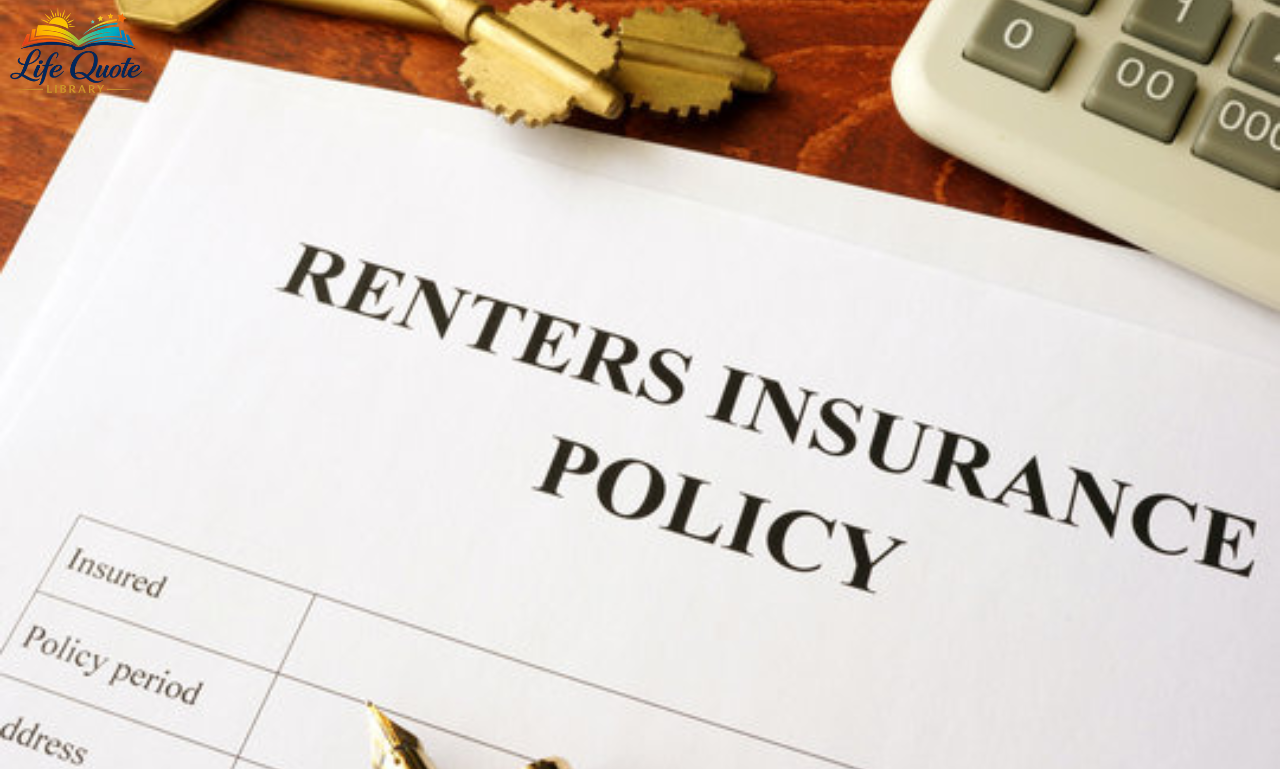
What Information Do You Need for a Renters Insurance Quote?
Getting a quote is usually easier when you have your information ready.
The insurer may ask for your rental address, type of residence, desired coverage, household details, claims history, and other information used for underwriting.
Information About Your Rental
You may need:
- Full rental address
- Apartment or house details
- Building type
- Approximate size
- Security features
- Number of residents
- Whether you have pets
- Whether the property has protective devices
The insurer may use this information to calculate the estimated risk associated with the property.
Information About Your Coverage
Decide how much personal property and liability protection you want before comparing quotes.
You should also know which deductible you are comfortable paying.
If you change these numbers between insurers, the quotes may no longer be directly comparable.
What Factors Can Increase Renters Insurance Costs?
Several factors can make a premium higher.
Your location is one of them. Higher-risk areas may produce higher rates.
A higher personal property limit can also increase the premium because the insurer is potentially responsible for a larger covered loss.
A lower deductible can raise the premium because you are transferring more of the financial risk to the insurer.
Claims History
Your previous claims may also affect pricing.
A history with multiple recent claims can make insurance more expensive, although the effect depends on the insurer and other underwriting factors.
The same principle applies to coverage choices. Adding protection for valuable possessions can increase the price, but it may also make the policy more appropriate for your actual situation.
What Does Renters Insurance Usually Not Cover?
Understanding exclusions is just as important as understanding covered losses.
Renters insurance generally does not cover the physical structure of the rental property because that is normally insured by the landlord.
Policies may also exclude or limit certain risks.
Flooding is one example that may require separate insurance or additional protection. Earthquake damage may also require separate coverage depending on the location and policy.
Normal wear and tear is another important distinction.
Insurance is designed for covered unexpected losses, not routine maintenance or gradual deterioration.
Always read your policy documents for the exact exclusions that apply.
How to Save Money Without Sacrificing Important Coverage
You do not have to choose the lowest possible coverage to reduce your premium.
Instead, look for ways to make the policy more efficient.
Start by calculating your actual belongings rather than guessing.
Then compare deductibles.
Ask about discounts.
Check whether bundling policies makes sense.
You can also review optional coverage and remove protection you genuinely do not need, while keeping coverage for risks and possessions that matter to you.
Review Your Policy Every Year
Your insurance needs can change.
You may buy new electronics, move to a different apartment, get married, acquire valuable equipment, or start working from home.
A yearly review can help you identify coverage gaps.
It can also prevent you from paying for limits that no longer match your situation.
Common Mistakes Renters Make When Comparing Insurance
Many renters make similar mistakes during the shopping process.
The first is choosing a policy entirely because it has the lowest premium.
The second is underestimating the value of their belongings.
The third is ignoring the deductible.
Another mistake is failing to ask about valuable items.
Some renters also assume that their landlord’s insurance will replace their belongings after a fire, theft, or other covered event. That is generally not how landlord and tenant insurance work.
Finally, some people buy a policy and never review it again.
A policy should reflect your current circumstances, not just the circumstances you had when you first moved in.
How to Compare Renters Insurance Quotes Step by Step
A simple comparison process can make the decision much easier.
Step 1: Calculate Your Belongings
Make a basic inventory and estimate replacement costs.
Step 2: Check Your Lease
Find out whether your landlord requires a specific liability limit or other insurance condition.
Step 3: Select Your Coverage
Choose personal property and liability limits based on your circumstances.
Step 4: Choose a Deductible
Pick an amount you could realistically afford after a covered loss.
Step 5: Request Several Quotes
Use consistent information with each insurer.
Step 6: Compare the Policies
Look beyond the monthly premium.
Step 7: Read the Important Exclusions
Pay attention to special limits, excluded risks, and valuable-property restrictions.
Step 8: Ask About Discounts
Check for bundling, security, claims-free, and other available discounts.
Step 9: Review the Final Price
Make sure the final premium matches the coverage you requested.
Step 10: Keep Your Documents
Save your policy, inventory, receipts, and important claim information somewhere secure.
Are Online Renters Insurance Quotes Reliable?
Online quoting tools can be useful for comparing prices quickly.
However, an online estimate is not necessarily the same as a final policy offer.
The final premium may depend on information verified during the application process.
For example, ZIP code, building characteristics, claims history, coverage selections, and other personal details can affect the final rate.
Use online quotes as a comparison tool rather than assuming the first displayed price will be your final cost.
Can Renters Insurance Cover Roommates?
Roommate situations require special attention.
A policy may not automatically provide the coverage you expect for another unrelated person living in the same rental.
Do not assume that everyone in an apartment is automatically insured under one person’s policy.
Ask the insurer how roommates are treated and whether each person needs a separate policy.
This can prevent confusion when a claim occurs.
What Happens After a Covered Loss?
If something happens, contact your insurer as soon as reasonably possible.
Take photographs or videos of the damage if it is safe to do so.
Keep damaged items when the insurer asks you to preserve them for inspection.
Provide receipts, inventory records, police reports, or other documentation when requested.
Your deductible will generally apply to covered claims.
The insurer will then evaluate the claim according to the policy terms, coverage limits, exclusions, and applicable conditions.
Having a home inventory before a loss can make this process much easier.
Frequently Asked Questions
How much do renters insurance policies usually cost?
The cost varies by location, coverage limits, deductible, insurer, and personal factors. Many sample policies fall somewhere around $13 to $20 per month, but your actual rate can be higher or lower.
What should I compare when reviewing renters insurance quotes?
Compare the personal property limit, liability limit, deductible, claim settlement method, loss-of-use coverage, exclusions, endorsements, and available discounts. Comparing only the monthly premium can give you an incomplete picture.
Do renters insurance policies cover stolen belongings?
Many renters policies provide coverage for theft, subject to the policy’s terms, limits, deductible, and exclusions. Keep documentation of valuable possessions because proof of ownership and value may be needed during a claim.
Is renters insurance required?
There is no universal requirement for every renter, but a landlord or property management company may require tenants to carry insurance as part of a lease. Check your rental agreement for the exact requirements.
Can I lower my renters insurance premium?
You may be able to lower your premium by comparing insurers, adjusting your deductible, qualifying for discounts, bundling policies, and selecting coverage that matches your actual needs. Avoid reducing important coverage simply to achieve the lowest monthly price.
Final Thoughts
The best way to approach quotes for renters insurance is to compare policies on equal terms.
Start by calculating the value of your belongings. Then decide how much liability protection you need and choose a deductible that fits your budget.
Request multiple quotes using the same coverage selections. Review the details instead of focusing only on the monthly price.
Renters insurance can be relatively inexpensive compared with the potential cost of replacing a household of belongings or dealing with a liability claim. But the value of a policy depends on whether its coverage actually matches your needs.
Taking a little time to compare options can help you understand what you are buying and avoid unpleasant surprises later.

Umar Farooq is a content writer and SEO enthusiast who creates helpful, engaging articles on quotes, inspiration, life, and personal growth.